🌾 Suffolk Gardening4 min read
Written by Tom Huber
Working with clay, without fighting it
A great many gardens around Stowmarket, Debenham and Eye sit on heavy clay. It sets like concrete in July and turns to porridge in February. It is also, quietly, some of the best soil in the country.
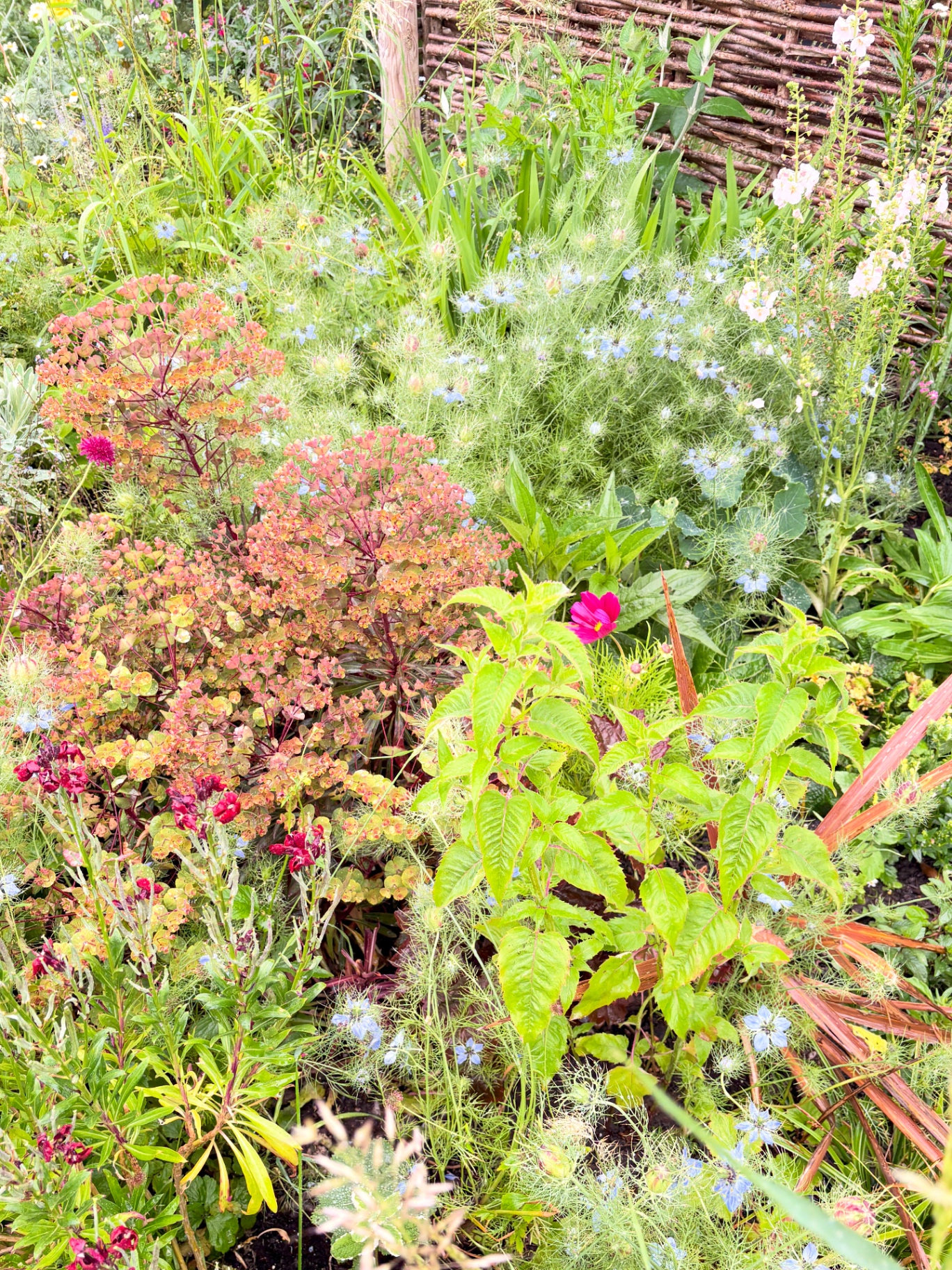
The first thing to say is that clay is not a problem to be solved. It holds nutrients that sandier soils simply lose, and once plants are established it keeps them going through dry weeks that would finish off a garden on lighter ground.
What actually helps
Digging clay when it is wet compacts it further. Digging it when it is bone-dry is nearly impossible. The honest answer is to dig it as little as you can — and to keep adding organic matter on top. Compost, well-rotted manure, leaf mould: spread two or three inches over the surface each autumn and let the worms take it down.
Plants that seem to enjoy it
- Roses — old varieties in particular.
- Hardy geraniums, astrantia, phlox.
- Viburnums, philadelphus, hydrangeas.
- Fruit trees, once through their first two years.
None of this is quick. Improving a heavy clay border is a job measured in seasons rather than weekends. But the gardens that get there tend to stay well with very little intervention afterwards.
Fred’s thought
“Feed the soil, and the soil will feed the garden. Almost everything else follows from that.”

Ask Fred about this
Not sure how this applies to your garden?
Tell Fred what you’re looking at and he’ll work through it with you — your soil, your aspect, your Suffolk weather.
Ask Fred about thisI’d far rather you asked than guessed.
Every garden is unique. The notes here are based on my experience working in Suffolk gardens. Your own garden may behave differently depending on its soil, aspect and local conditions.
Continue exploring
More of Fred’s notes
🌿 Fred's Tips
Reveal what's already there
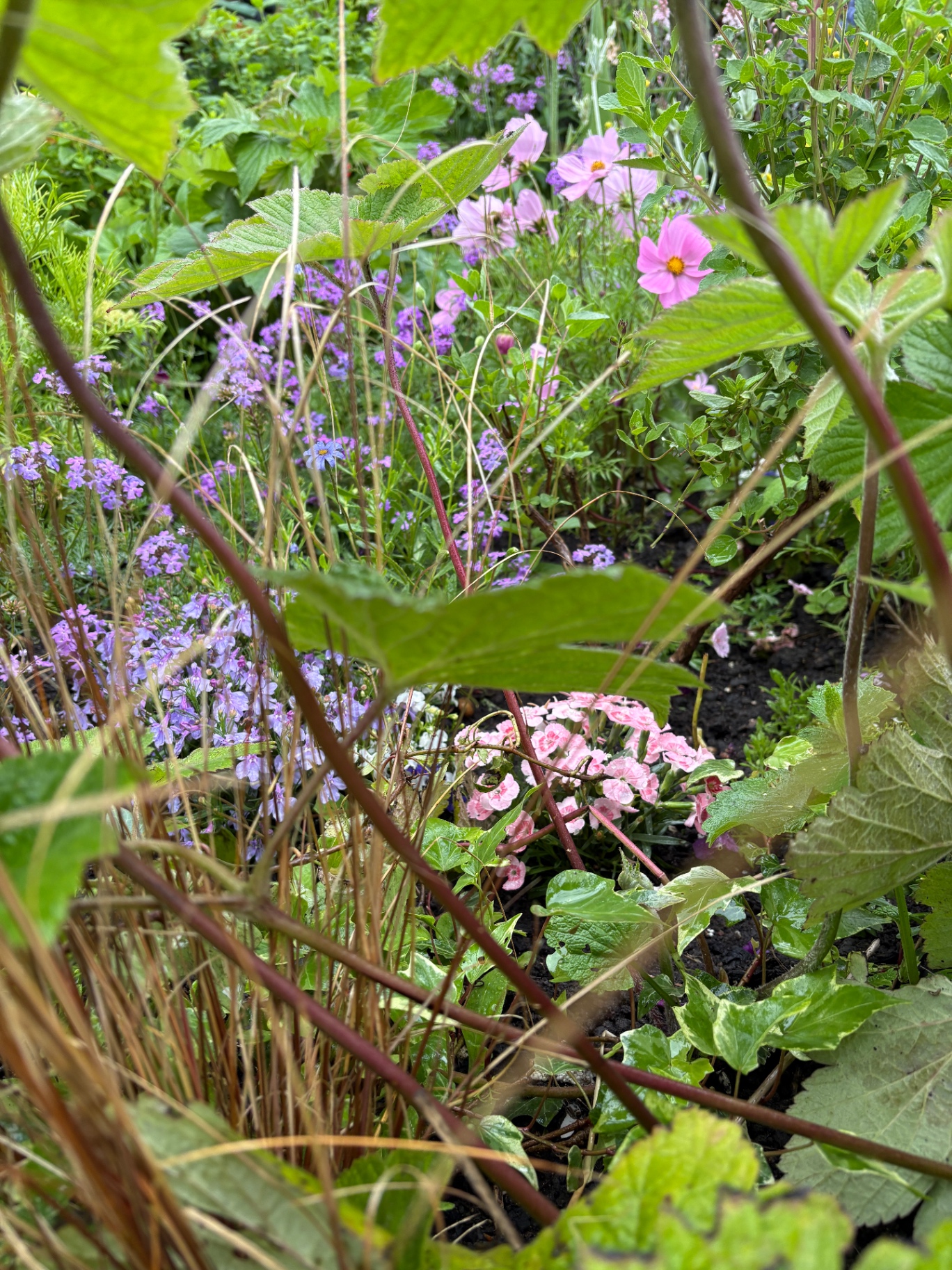
Most of the gardens I am called to do not need new plants, or a new design, or a new anything. They need to be reminded of themselves.
🌸 Plant Guides
Euphorbia — the quiet backbone of a Suffolk border
If I had to choose a single plant that holds a Suffolk border together through the awkward weeks between spring and full summer, it would be euphorbia. Not showy. Just quietly there, doing the work.
📓 Field Notes
Gardening for Suffolk care homes and community organisations
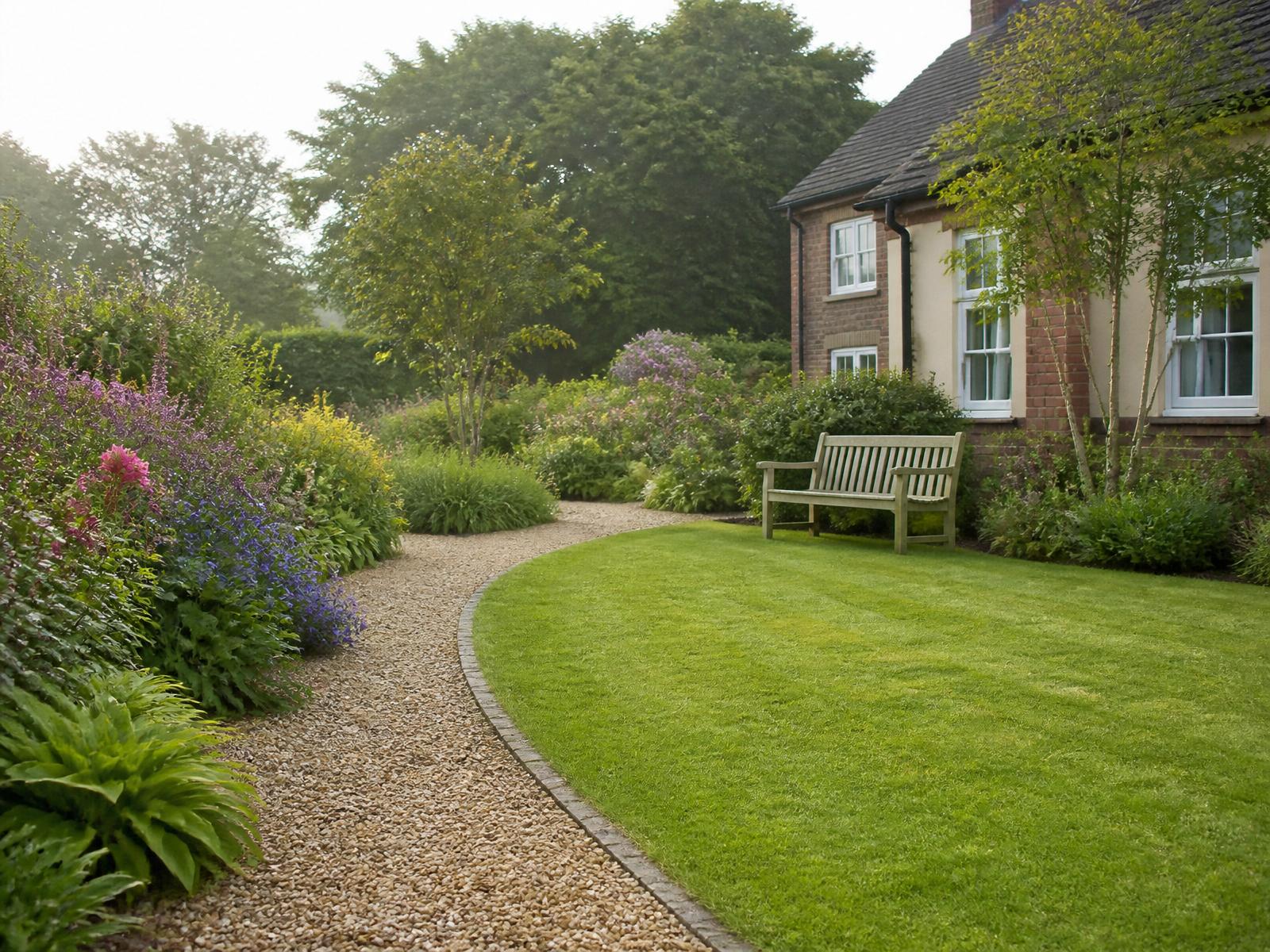
Gardens in care homes, supported living settings and community organisations are shared spaces. They belong to residents, families, staff and visitors. Keeping them well maintained takes more than a mower.