🌸 Plant Guides5 min read
Written by Tom Huber
Euphorbia — the quiet backbone of a Suffolk border
If I had to choose a single plant that holds a Suffolk border together through the awkward weeks between spring and full summer, it would be euphorbia. Not showy. Just quietly there, doing the work.
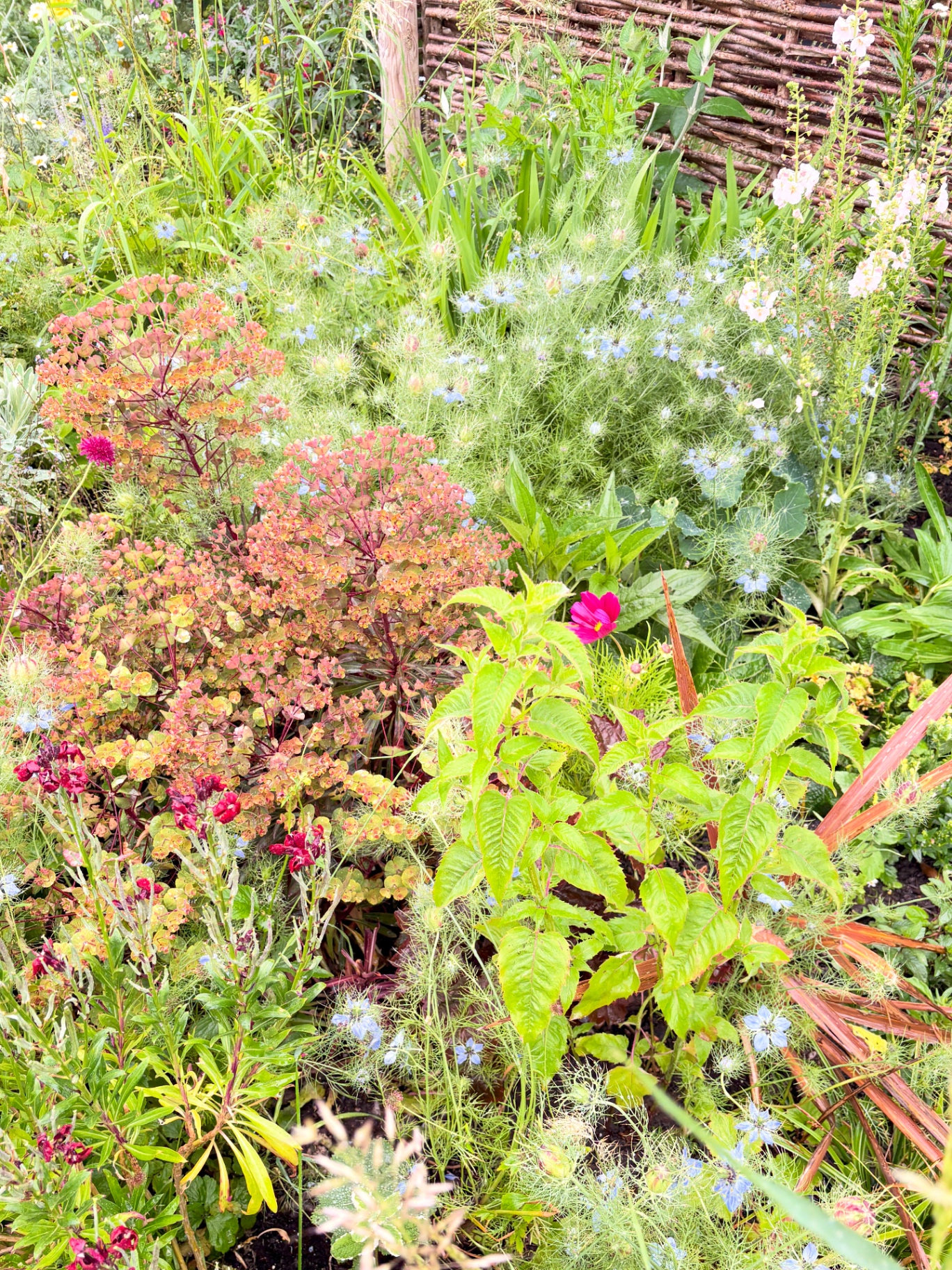
There is a moment in late May when the tulips are gone, the roses have not yet begun, and the border needs something to hold its nerve. Euphorbia is the plant I trust for that fortnight. The acid-green bracts read as flower from a distance, and they carry across a bed better than almost anything else at that time of year.
Why I keep planting it
Euphorbia is generous without being loud. It never asks for the front row. It sits behind the geraniums, weaves between the roses, softens the base of a shrub, and — when it is well placed — makes the plants around it look better than they otherwise would.
Once established, most of the perennial euphorbias are patient with drought, which matters on the sandier soils around Mendlesham and Debenham. I rarely water an established clump, even in a dry June.
A note of caution
The milky sap can irritate skin and eyes. I wear gloves when cutting it back, and I never do that job in strong sun. Worth knowing before you plant it near a path where children play.
How I place it
- In groups of three, threaded through a border rather than clumped in one spot.
- Behind hardy geraniums, so the geranium foliage hides the tired base later in summer.
- Against the warm stone of a wall, where the acid-green catches the low evening light.
- Cut back hard after flowering — new growth usually returns within weeks.
Euphorbia will not win a plant show. It is not that kind of plant. But it is one of the few that quietly makes everything else in the border look intentional.
Fred’s thought
“The plants that hold a garden together are rarely the ones people notice first.”

Ask Fred about this
Not sure how this applies to your garden?
Tell Fred what you’re looking at and he’ll work through it with you — your soil, your aspect, your Suffolk weather.
Ask Fred about thisI’d far rather you asked than guessed.
Every garden is unique. The notes here are based on my experience working in Suffolk gardens. Your own garden may behave differently depending on its soil, aspect and local conditions.
Continue exploring
More of Fred’s notes
🌿 Fred's Tips
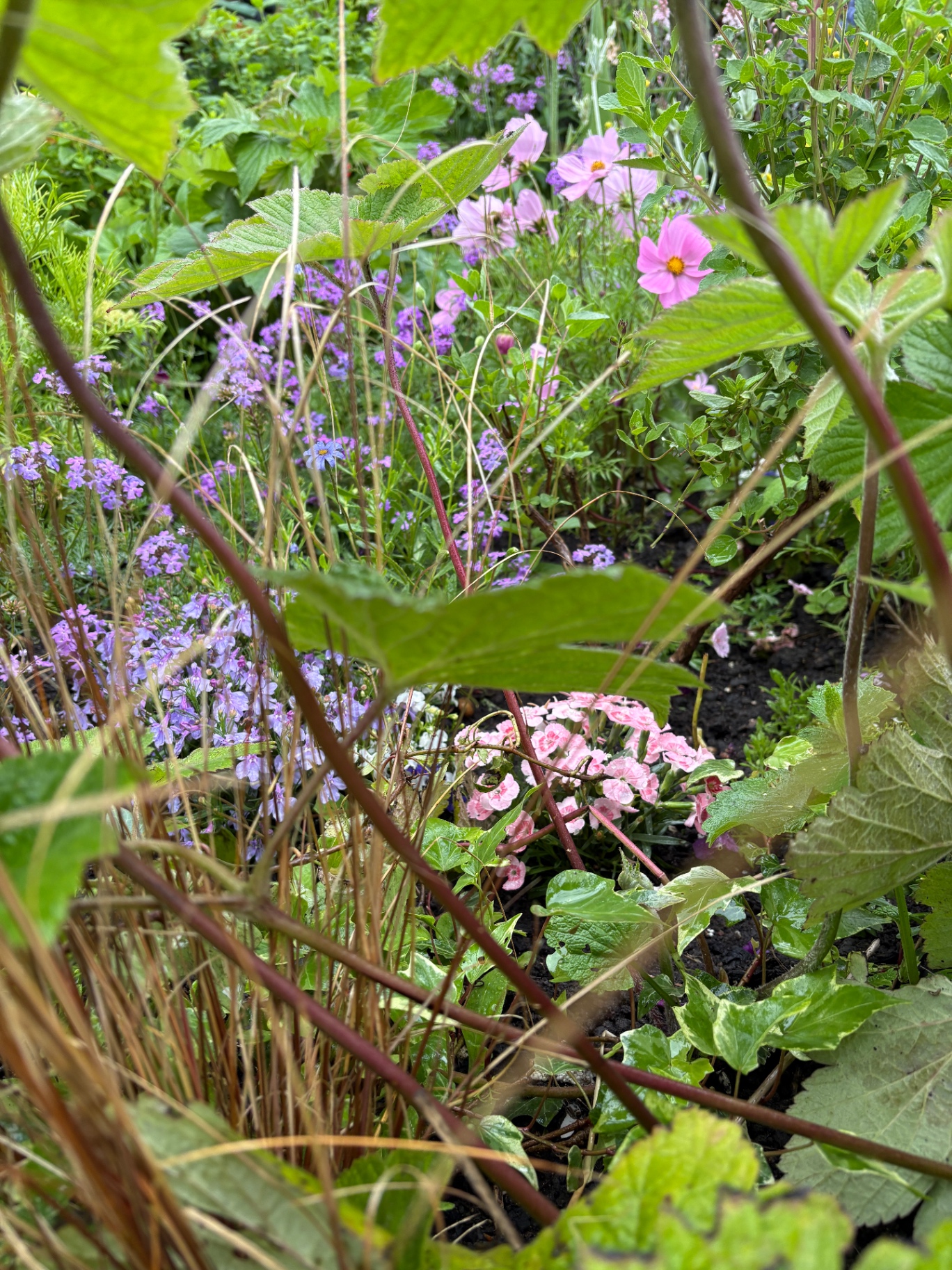
Reveal what's already there
Most of the gardens I am called to do not need new plants, or a new design, or a new anything. They need to be reminded of themselves.
📓 Field Notes
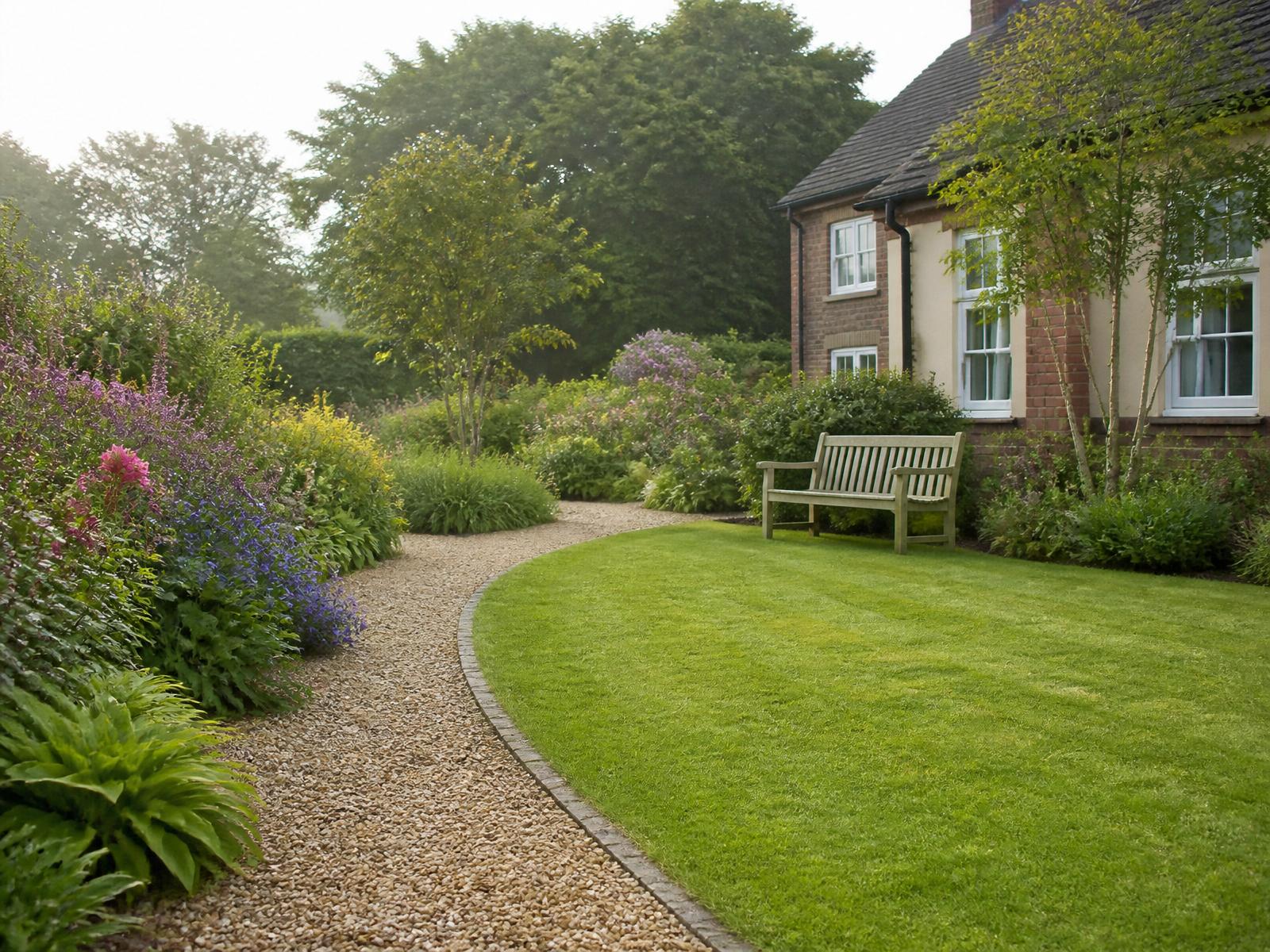
Gardening for Suffolk care homes and community organisations
Gardens in care homes, supported living settings and community organisations are shared spaces. They belong to residents, families, staff and visitors. Keeping them well maintained takes more than a mower.
🌱 This Month
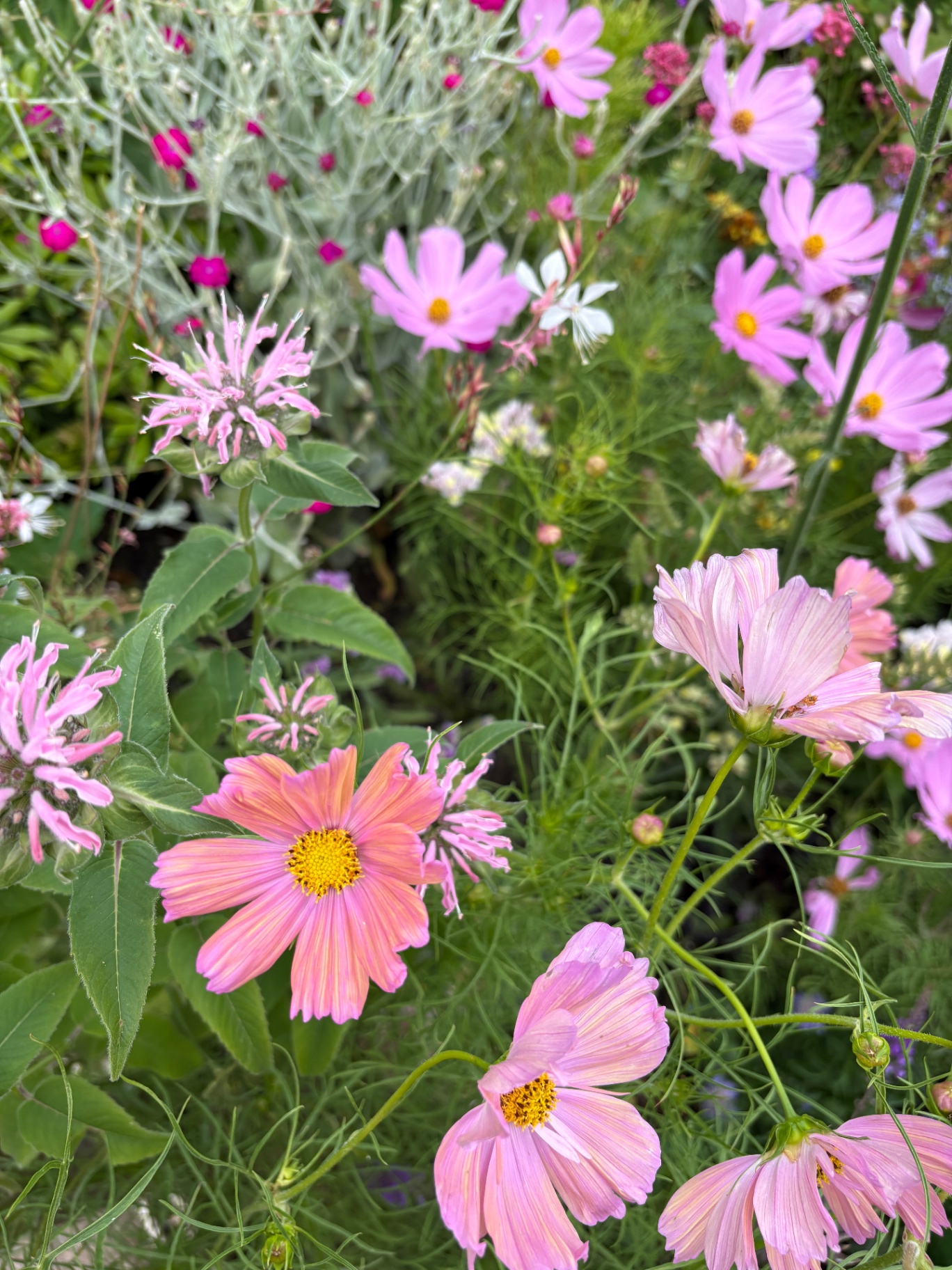
July jobs in a Suffolk garden
By early July most Suffolk gardens are running on the edge of dry. The work now is less about pushing plants on, and more about keeping what you have looking well.