🌿 Fred's Tips5 min read
Written by Tom Huber
Reveal what's already there
Most of the gardens I am called to do not need new plants, or a new design, or a new anything. They need to be reminded of themselves.
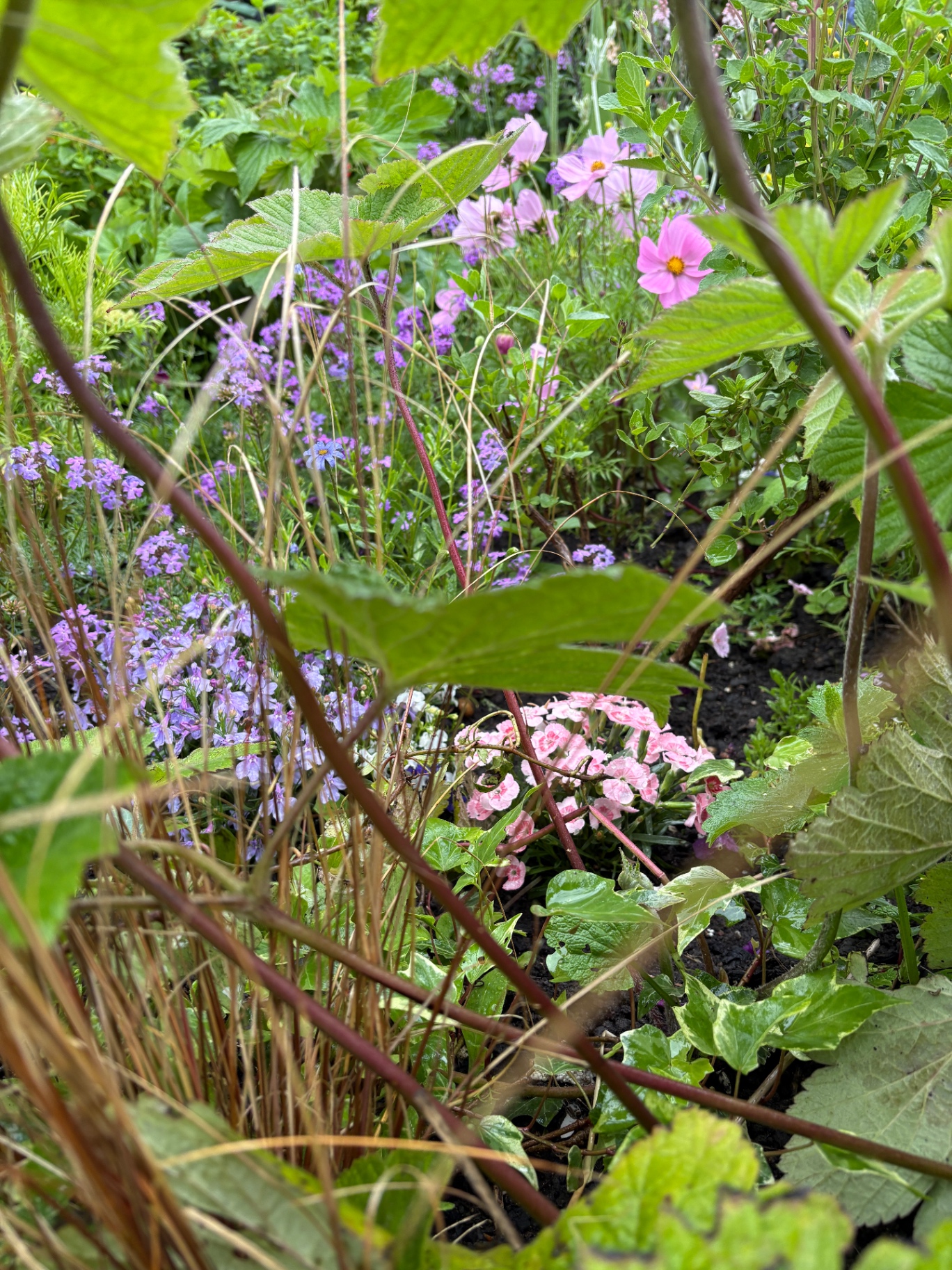
It is easy, when a garden has slipped out of hand, to imagine that the answer is to start again. To lift what is there, redesign the beds, order new plants. Sometimes that is the right thing to do. Much more often, it is not.
The garden usually knows what it wants to be
Behind the bindweed there is nearly always a rose. Under the couch grass, a clump of hardy geranium that has been there for twenty years. In the corner where nothing seems to grow, the shape of a philadelphus waiting to be released. The first work of a good visit is to see what the garden is trying to become — and to let it.
How I approach a first visit
- Walk the whole space before touching anything.
- Notice what is thriving, not only what has failed.
- Identify the bones — the shrubs, small trees and long-lived perennials.
- Clear only what is genuinely in the way of light, air or a plant that wants to grow.
- Leave decisions about new planting until the space has been given a season to show itself.
Restore before you replace
A tired garden brought carefully back to itself almost always looks more beautiful than the same garden replanted from scratch. Old plants carry the memory of a place. New ones have to learn it.
This is not a rule against fresh planting. It is a preference for patience. Watch the garden for a season. Understand what it does through the year. Then, if a new plant is needed, choose it because it belongs — not because the space felt empty in March.
Fred’s thought
“The kindest thing you can do to a neglected garden is usually less than you think.”

Ask Fred about this
Not sure how this applies to your garden?
Tell Fred what you’re looking at and he’ll work through it with you — your soil, your aspect, your Suffolk weather.
Ask Fred about thisI’d far rather you asked than guessed.
Every garden is unique. The notes here are based on my experience working in Suffolk gardens. Your own garden may behave differently depending on its soil, aspect and local conditions.
Continue exploring
More of Fred’s notes
🌸 Plant Guides
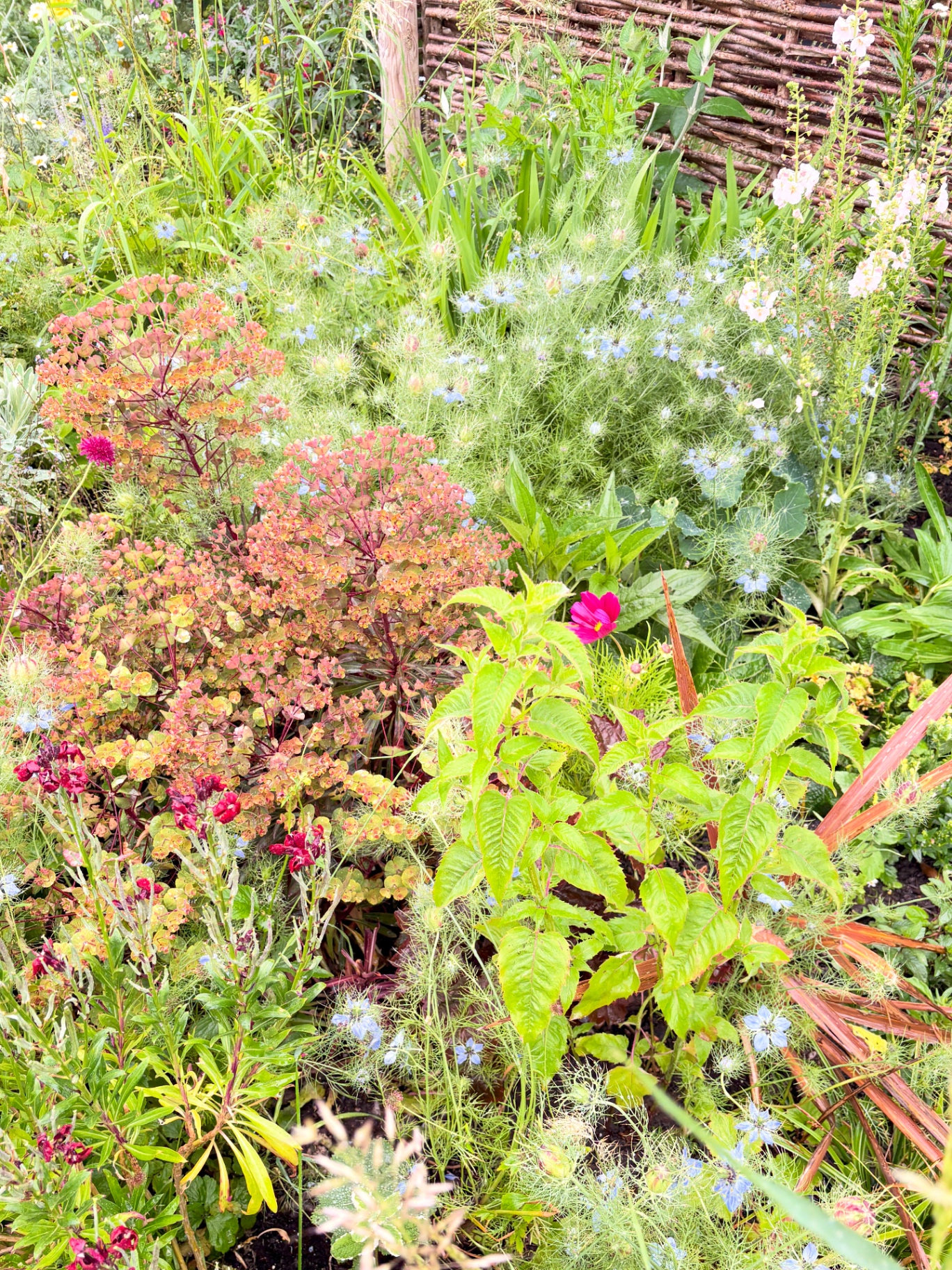
Euphorbia — the quiet backbone of a Suffolk border
If I had to choose a single plant that holds a Suffolk border together through the awkward weeks between spring and full summer, it would be euphorbia. Not showy. Just quietly there, doing the work.
📓 Field Notes
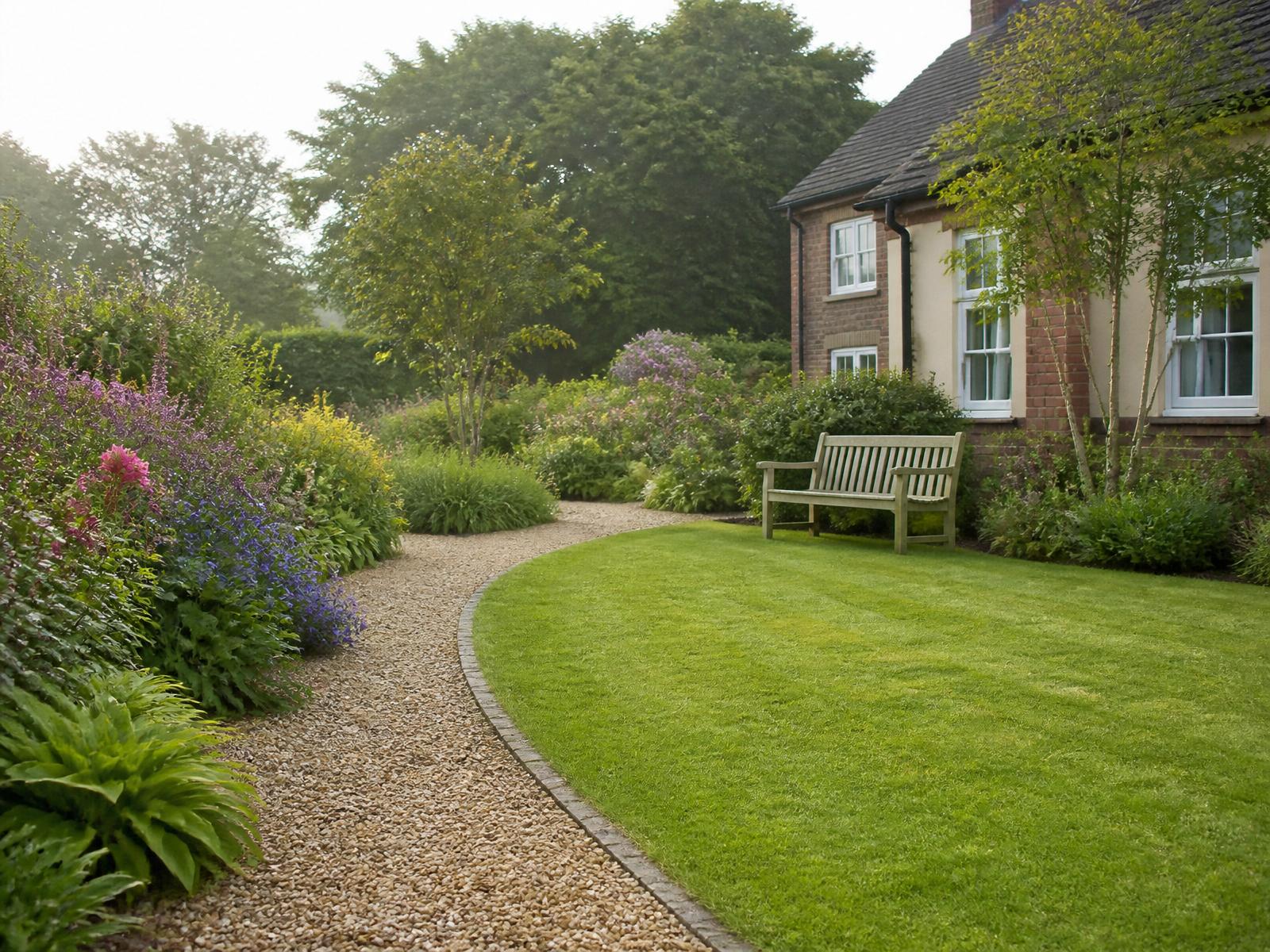
Gardening for Suffolk care homes and community organisations
Gardens in care homes, supported living settings and community organisations are shared spaces. They belong to residents, families, staff and visitors. Keeping them well maintained takes more than a mower.
🌱 This Month
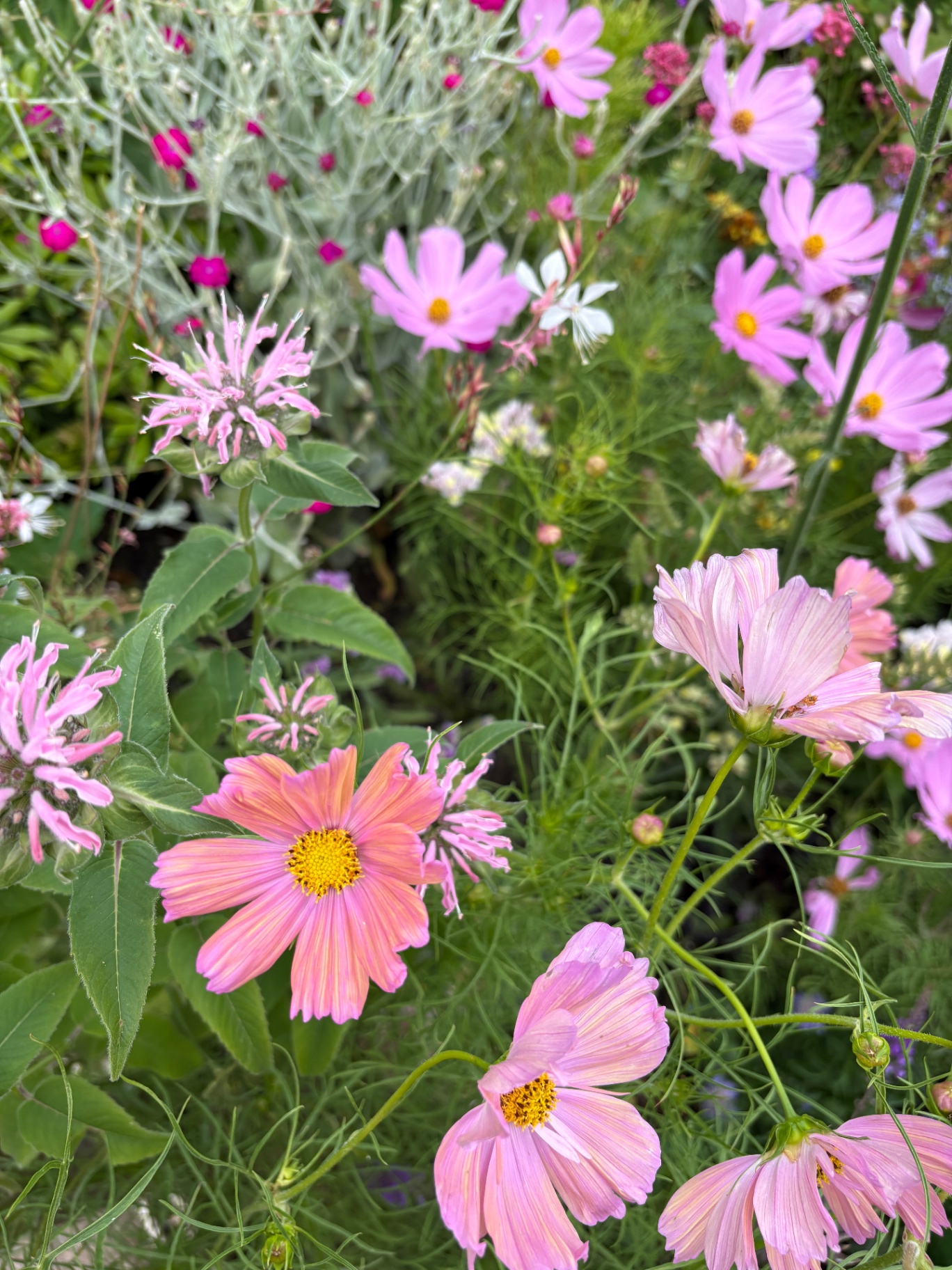
July jobs in a Suffolk garden
By early July most Suffolk gardens are running on the edge of dry. The work now is less about pushing plants on, and more about keeping what you have looking well.