🐝 Wildlife & Nature2 min read
Written by Tom Huber
Bees in the hollyhocks
There is a stretch of hollyhocks along a fence in one of the gardens I look after that, every June, becomes the busiest street in the village.
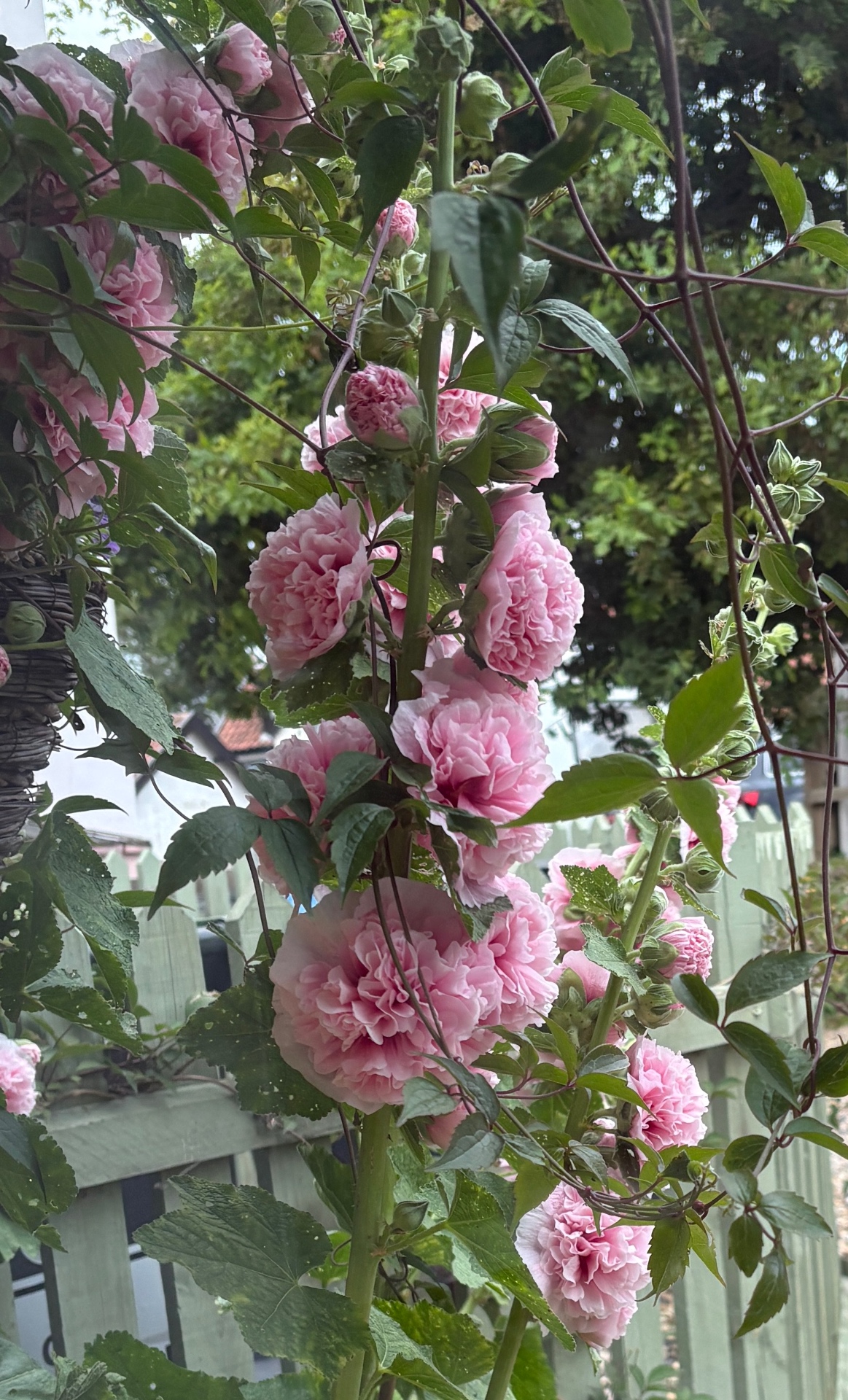
Bumblebees mostly. Carder bees, buff-tails, a few honeybees from somewhere nearby. They start at first light and are still working when I leave in the evening.
Hollyhocks are old-fashioned, a bit unruly, prone to rust — and worth every bit of that. They flower for weeks, they self-seed at the foot of walls without being asked, and they feed everything.
If there is space against a sunny fence in your garden, a few hollyhocks will do more for local wildlife than almost anything you can buy in a tray of bedding plants.
Fred’s thought
“The best wildlife gardens are usually just gardens that were left alone long enough to become interesting.”
Ask Fred about this
Not sure how this applies to your garden?
Tell Fred what you’re looking at and he’ll work through it with you — your soil, your aspect, your Suffolk weather.
Ask Fred about thisI’d far rather you asked than guessed.
Every garden is unique. The notes here are based on my experience working in Suffolk gardens. Your own garden may behave differently depending on its soil, aspect and local conditions.
Continue exploring
More of Fred’s notes
🌿 Fred's Tips
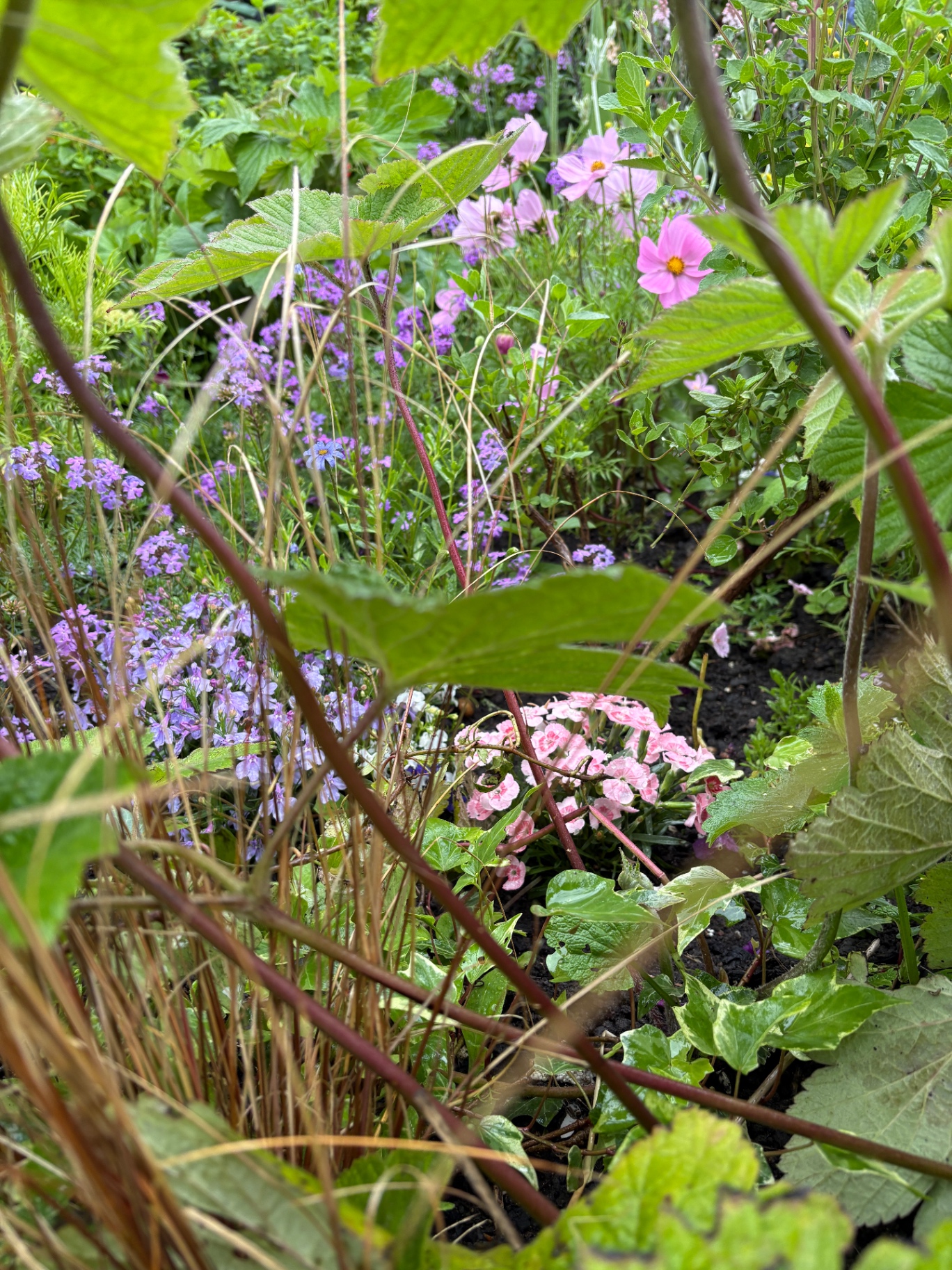
Reveal what's already there
Most of the gardens I am called to do not need new plants, or a new design, or a new anything. They need to be reminded of themselves.
🌸 Plant Guides
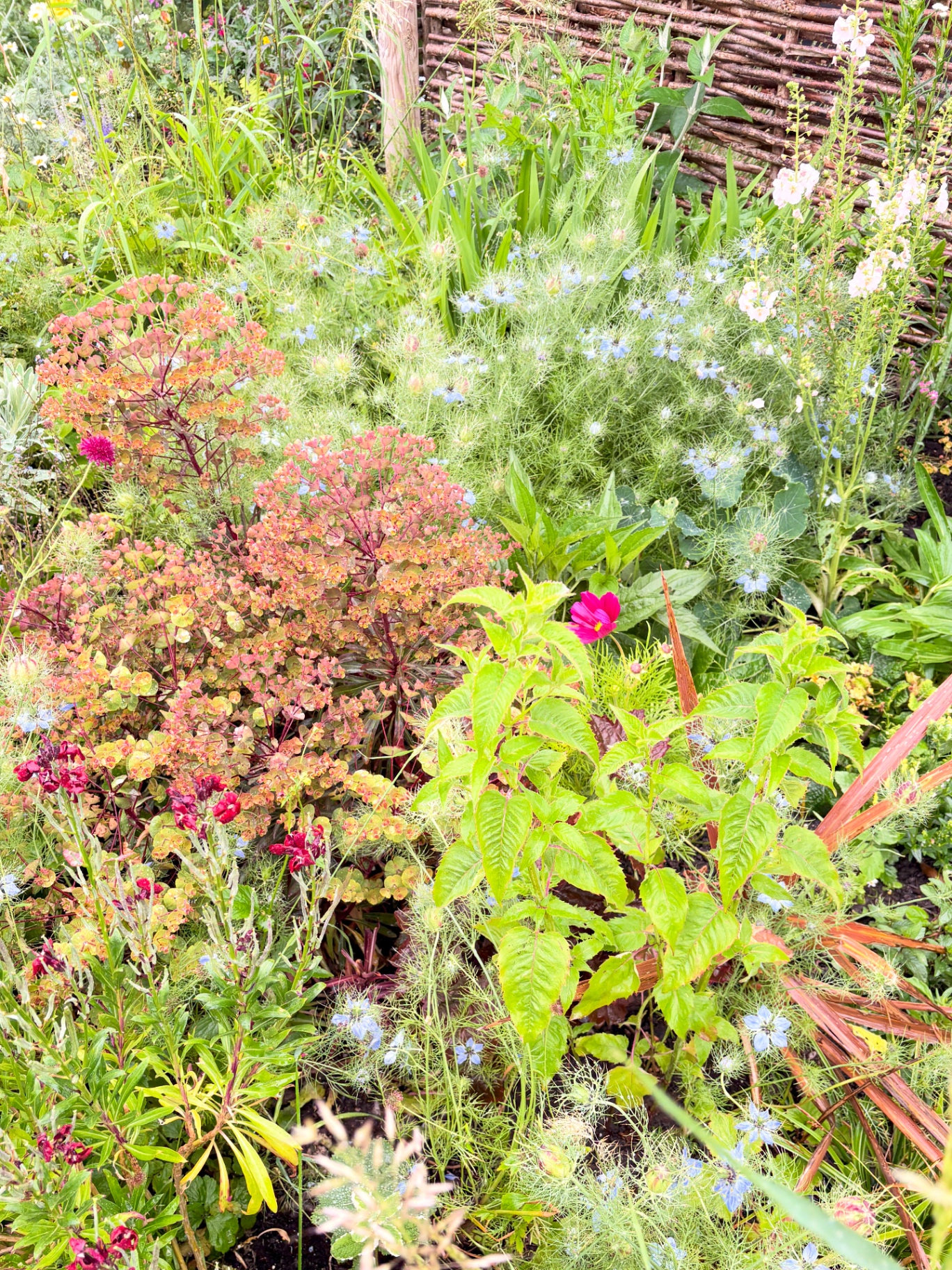
Euphorbia — the quiet backbone of a Suffolk border
If I had to choose a single plant that holds a Suffolk border together through the awkward weeks between spring and full summer, it would be euphorbia. Not showy. Just quietly there, doing the work.
📓 Field Notes
Gardening for Suffolk care homes and community organisations
Gardens in care homes, supported living settings and community organisations are shared spaces. They belong to residents, families, staff and visitors. Keeping them well maintained takes more than a mower.