📓 Field Notes3 min read
Written by Tom Huber
Before and after: a forgotten border in Mendlesham
A quiet cottage garden that had slipped out of hand over a couple of wet winters. No dramatic rescue, just steady hours across three visits.
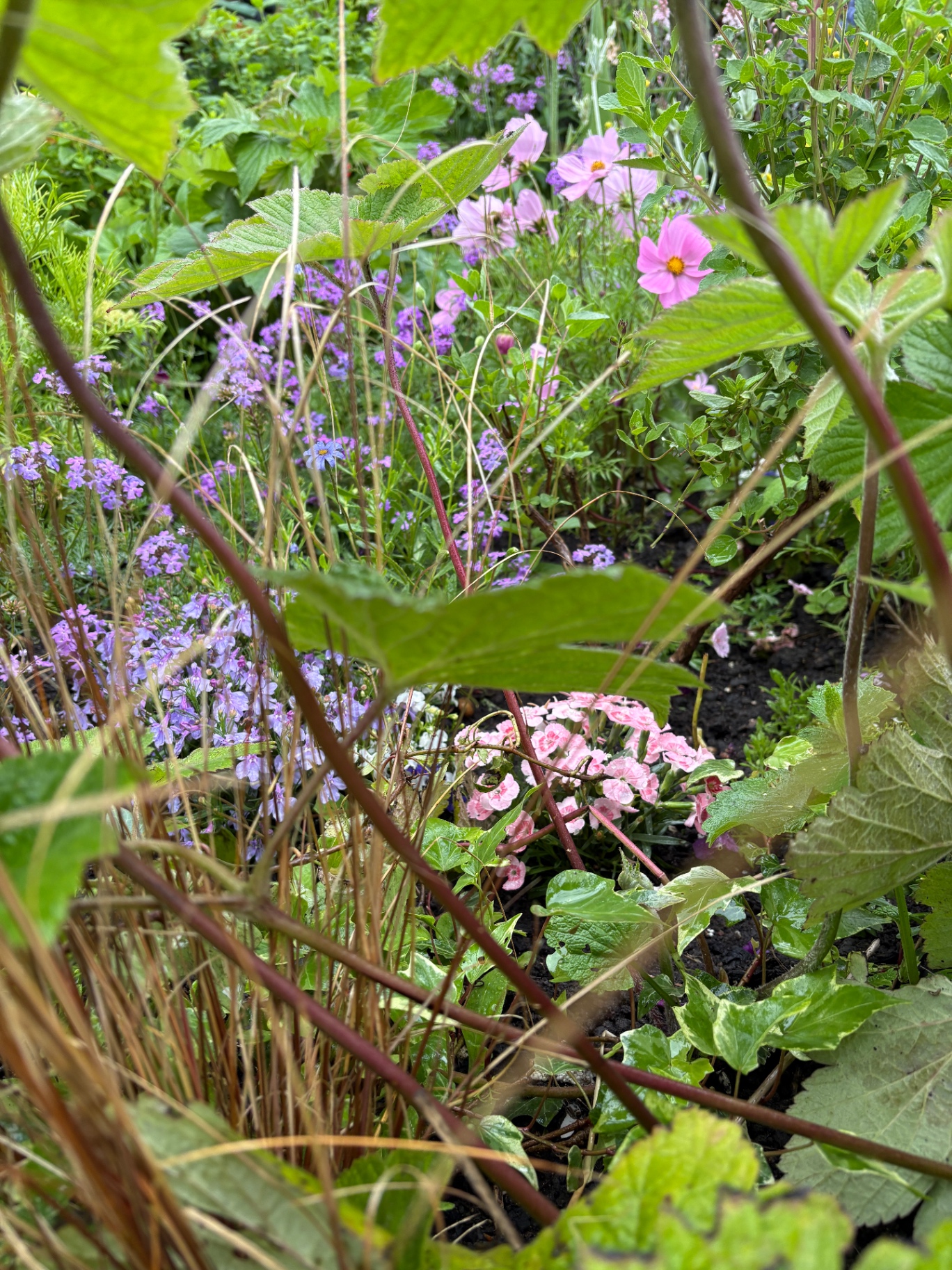
The border ran the length of a picket fence and had, at some point, been beautifully planted. Bindweed and cleavers had taken most of it. Underneath, the bones were still there — a philadelphus, two roses, a stubborn clump of honesty that refused to give up.
What we did, in order
- Lifted the visible weeds by hand, roots as far as they would come.
- Cut the roses back to a workable framework — no more, no less.
- Mulched thickly with garden compost to hold moisture and slow the weeds returning.
- Left the honesty to seed itself. It has, generously.
No new plants went in. That felt important. Old borders often contain everything they need — they simply need to be reminded of themselves.
Fred’s thought
“The kindest thing you can do to a neglected garden is usually less than you think.”
Ask Fred about this
Not sure how this applies to your garden?
Tell Fred what you’re looking at and he’ll work through it with you — your soil, your aspect, your Suffolk weather.
Ask Fred about thisI’d far rather you asked than guessed.
Every garden is unique. The notes here are based on my experience working in Suffolk gardens. Your own garden may behave differently depending on its soil, aspect and local conditions.
Continue exploring
More of Fred’s notes
🌿 Fred's Tips
Reveal what's already there
Most of the gardens I am called to do not need new plants, or a new design, or a new anything. They need to be reminded of themselves.
🌸 Plant Guides
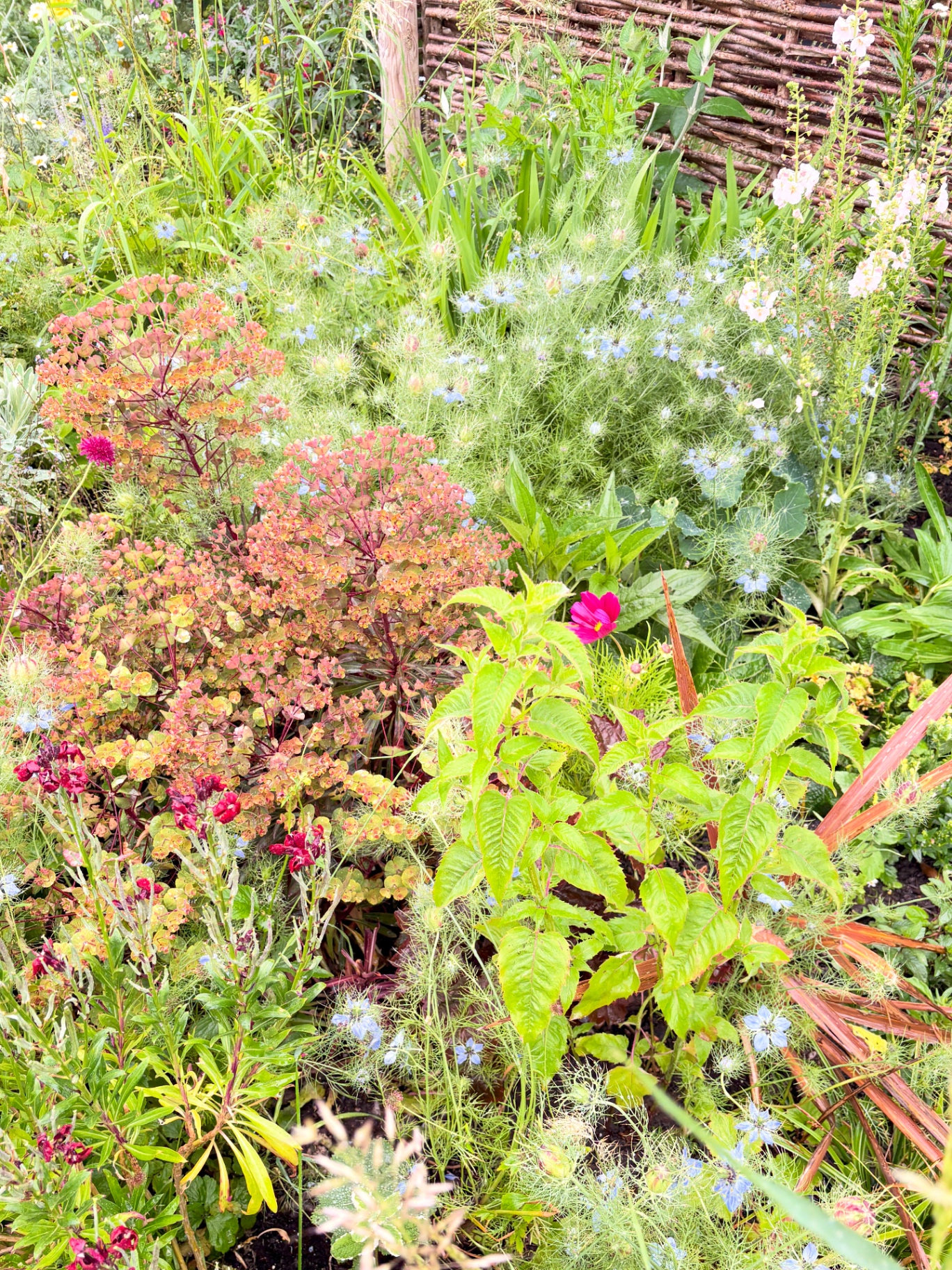
Euphorbia — the quiet backbone of a Suffolk border
If I had to choose a single plant that holds a Suffolk border together through the awkward weeks between spring and full summer, it would be euphorbia. Not showy. Just quietly there, doing the work.
🌱 This Month
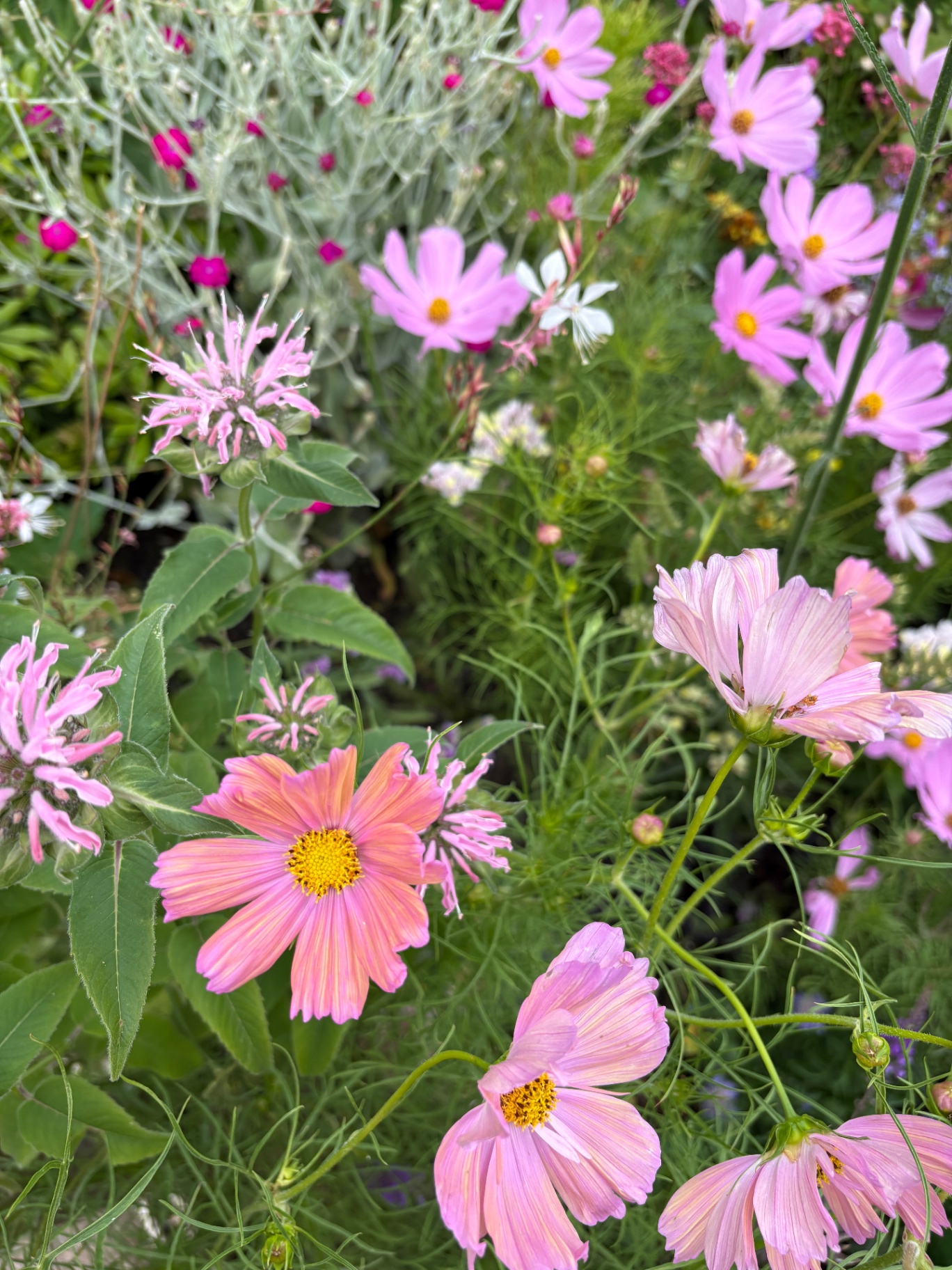
July jobs in a Suffolk garden
By early July most Suffolk gardens are running on the edge of dry. The work now is less about pushing plants on, and more about keeping what you have looking well.